
ALL EPISODES
#1040: Pickleball After 70: Play Smarter Not harder
What changes when you’re still obsessed with pickleball but you’re playing into your 70s? Tracie talks with legendary coach Deb “Picklepong” Harrison about how older players can stay competitive by playing smarter, not harder.

#1039: Gender vs Mixed Doubles
Does gender really change the way you should play doubles? Tracie asks coach Mindy Yoder whether there is a difference between women’s doubles versus mixed, and discovers that yes, it matters.
#1038: Beating Lefties
Lefties can make perfectly normal pickleball shots feel completely wrong. Tracie talks with coach James Moore about how to adjust: when to attack the middle, why targeting the less-dominant player’s paddle-side foot can create confusion, and what to do when both opponents have forehands in the middle.
#1037: Preventing Bangers from Slamming You
Tracie is joined by IPTPA Master Pro Lisa Palcic to explain how to stop feeding bangers the perfect ball. From serving deep to aiming at the body and feet, Lisa shares simple ways to neutralize hard hitters before they turn the game into target practice.
#1036: The Beauty of Pickleball "Flow"
Tracie talks with pickleball coach Benjamin Grant about flow — the state where challenge and skill line up and you become completely absorbed in the game. They explore why pickleball makes that feeling so easy to find, why it keeps us chasing “one more game,” and how stronger opponents can help us improve. Maybe we’re not addicted to pickleball — maybe we’re addicted to being fully present.
#1035: The Dreaded "Yips"
Tracie and coach Leia Miller take on one of pickleball’s most dreaded mental meltdowns: the yips. Why can a serve you’ve hit a thousand times suddenly feel impossible the moment the score gets tight? Leia explains how a simple pre-serve ritual—say the score, take a breath, slow down, transfer your weight, and focus on getting the ball over the net—can help reset both your brain and your body. They also dig into pressure, unforced errors, the danger of chasing the “perfect” serve, and why one bad shot does not mean you’ve forgotten how to play pickleball.
#1034: Stack to Get Unstuck
Tracie welcomes IPTPA coach James Moore, her accidental PickleCon “blind date,” who shares a brilliantly simple fix for getting stuck on a score: after two rounds of serving without scoring, stack. They explain how changing positions can reset the energy, disrupt your opponents, get you out of your own head, and why James distinguishes between stacking on offense and switching on defense.
#1033: Embrace the Angle → Win the Point
Coach Greg Dedrick uses a variety of strategic angle shots in his game and recommends incorporating angles whenever possible — with the caution that "angle beget angles" so be prepared for the return of your shot.
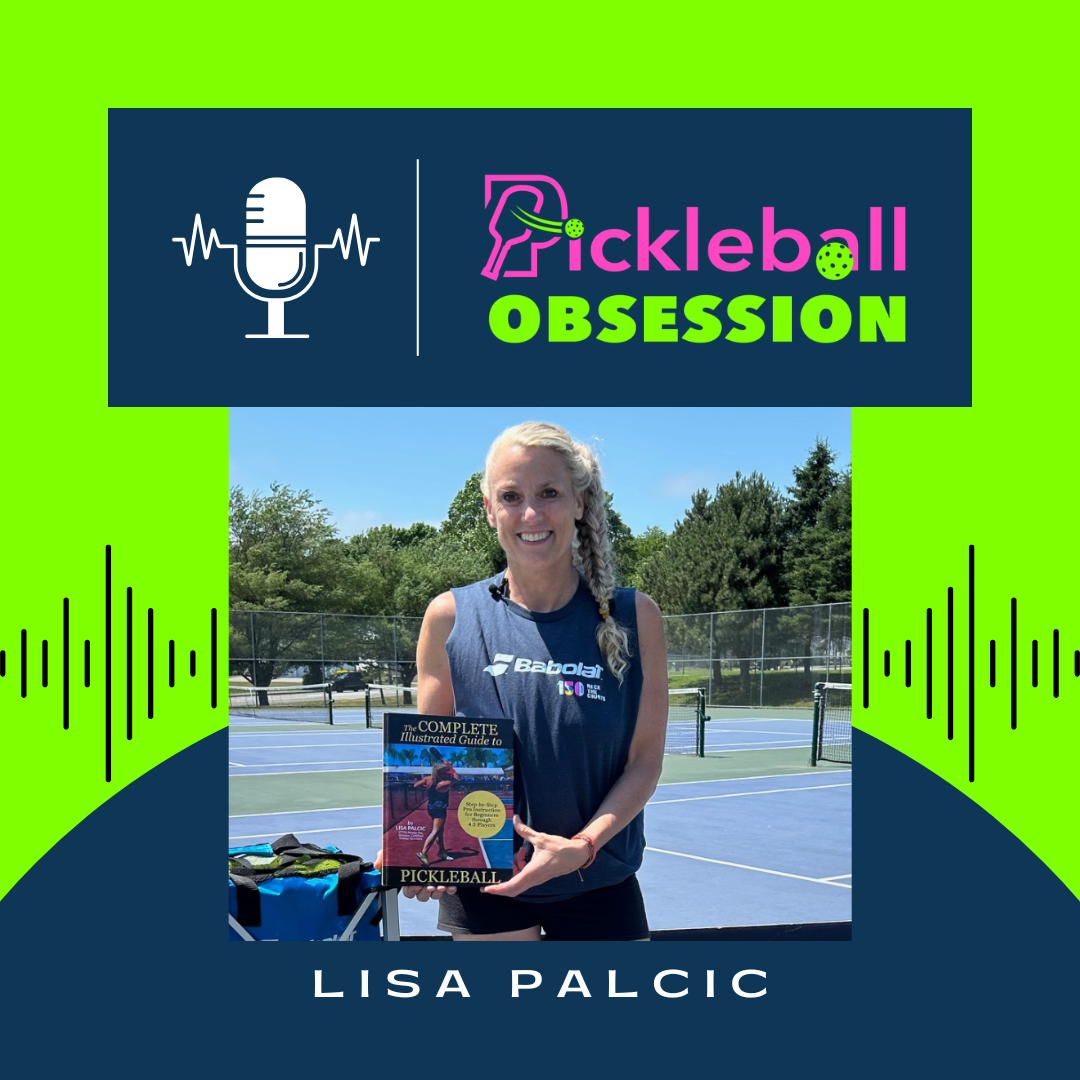
#1032: Does Everybody Suddenly Want to Be a 4.0?
Master pro Lisa Palcic talks about how 4.0 is an attainable skill level for some people and what it takes to get there — while Tracie discusses how there seems to be a trend for people in recreational play to call themselves 4.0 without going in tournaments using the Dupr rating or taking (the very difficult!) IPTPA skill test.

#1031: So You Want to "Play Up"? But Do Better Players Want You There?!
Coach Mindy Yoder talks about the experience on both sides of the net when a less experienced player feels entitled to join a higher-level game "because it will make me better" without considering what that does to the more advanced level of play.
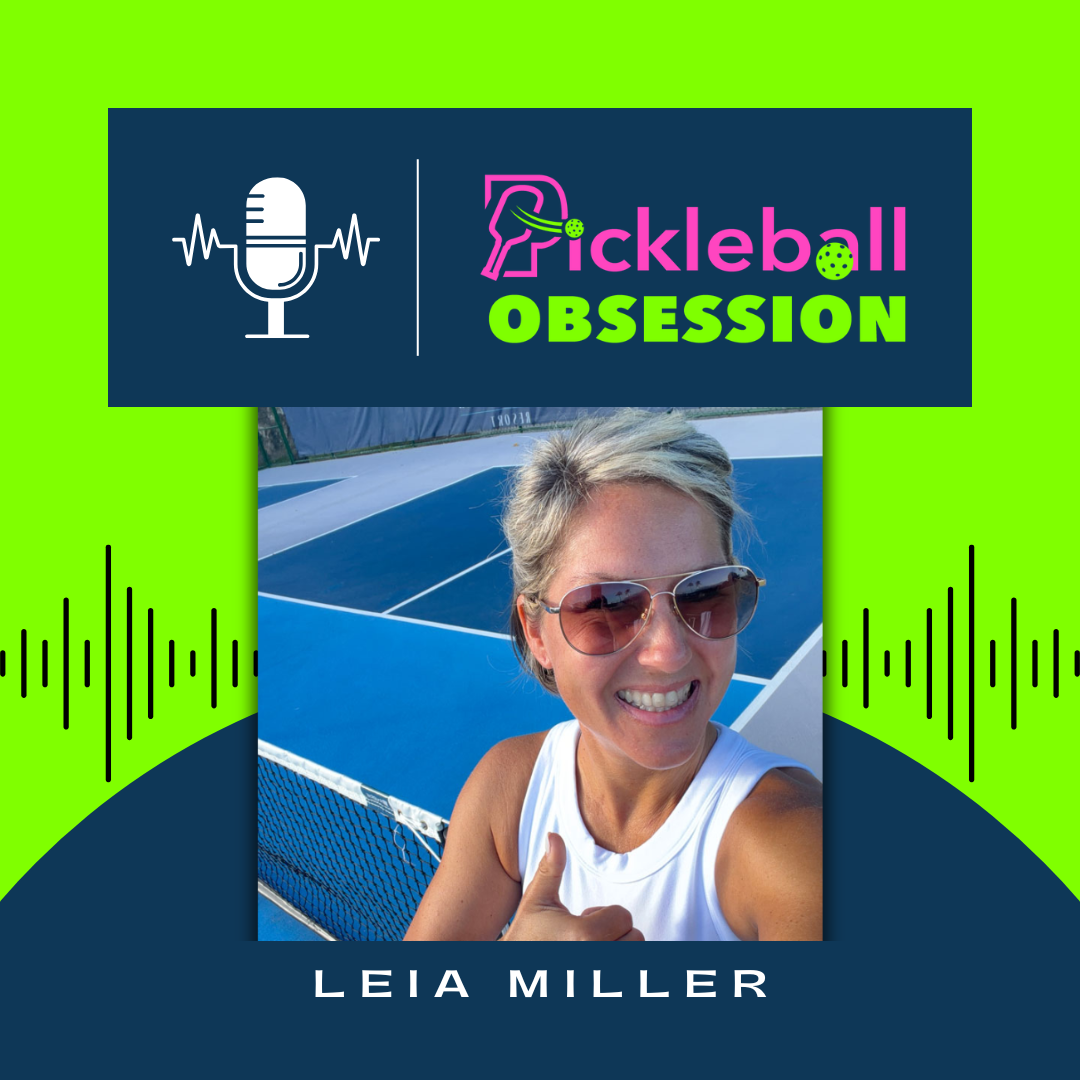
#1030: We Can't Complain Enough About Lobs!
Coach Leia Miller and Tracie roll their eyes about heavy duty veteran lobbers, but instead of moaning, groaning and griping about players who barrage you with lobs, Leia suggests we take matters into our own hands! Better to find a way to "drive the bus" instead of being irritated about being jerked around by lobbers.
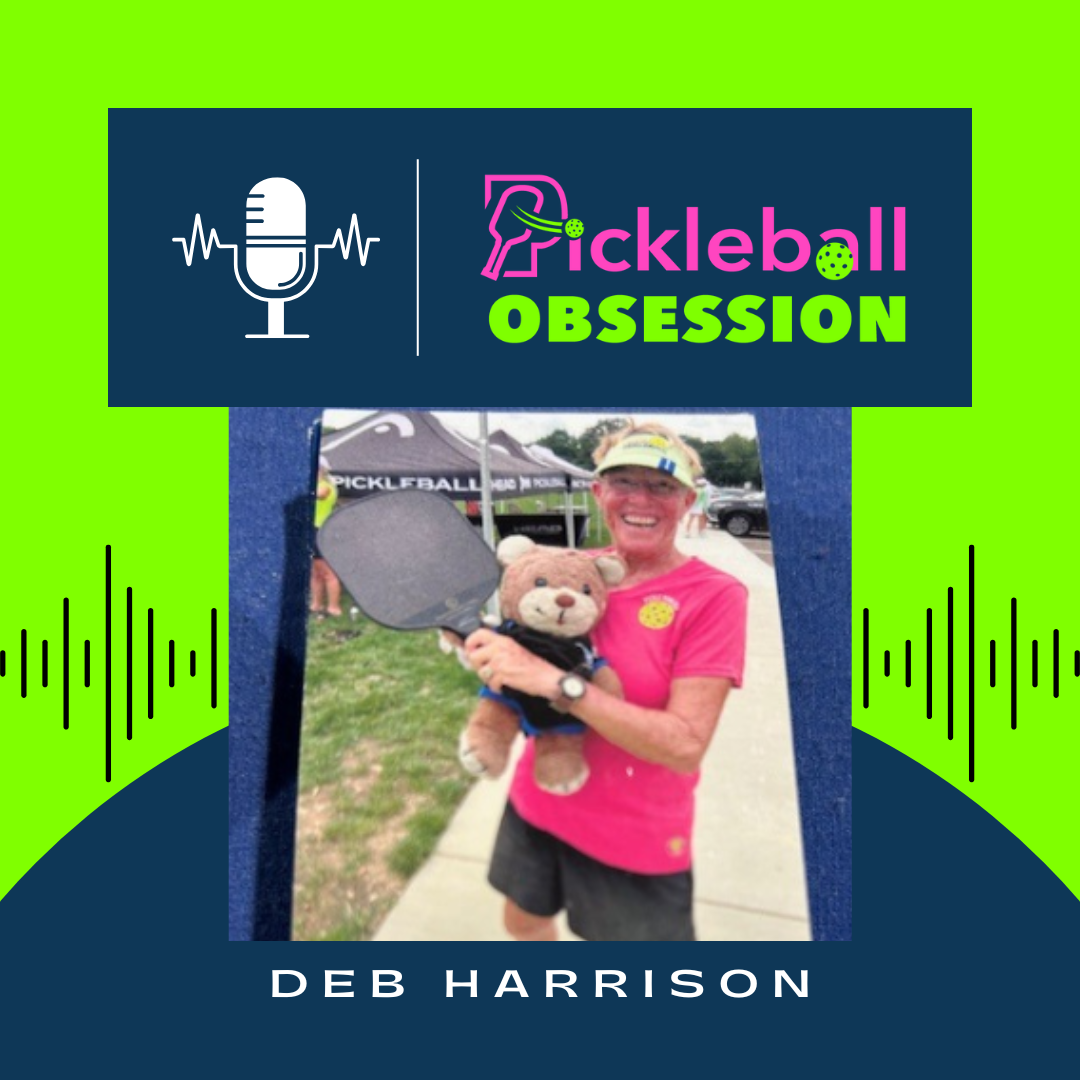
#1029: Should You Serve First or Receive?
In tournaments it's a big decision whether or not to serve first (with only one serve but a chance to get on the board) or receive first when you'll have two serves? Coach Deb "PicklePong Deb" Harrison has medaled in hundreds of tournaments, so she has solid advice about all the elements to factor in to your decision — which can apply to rec play as well
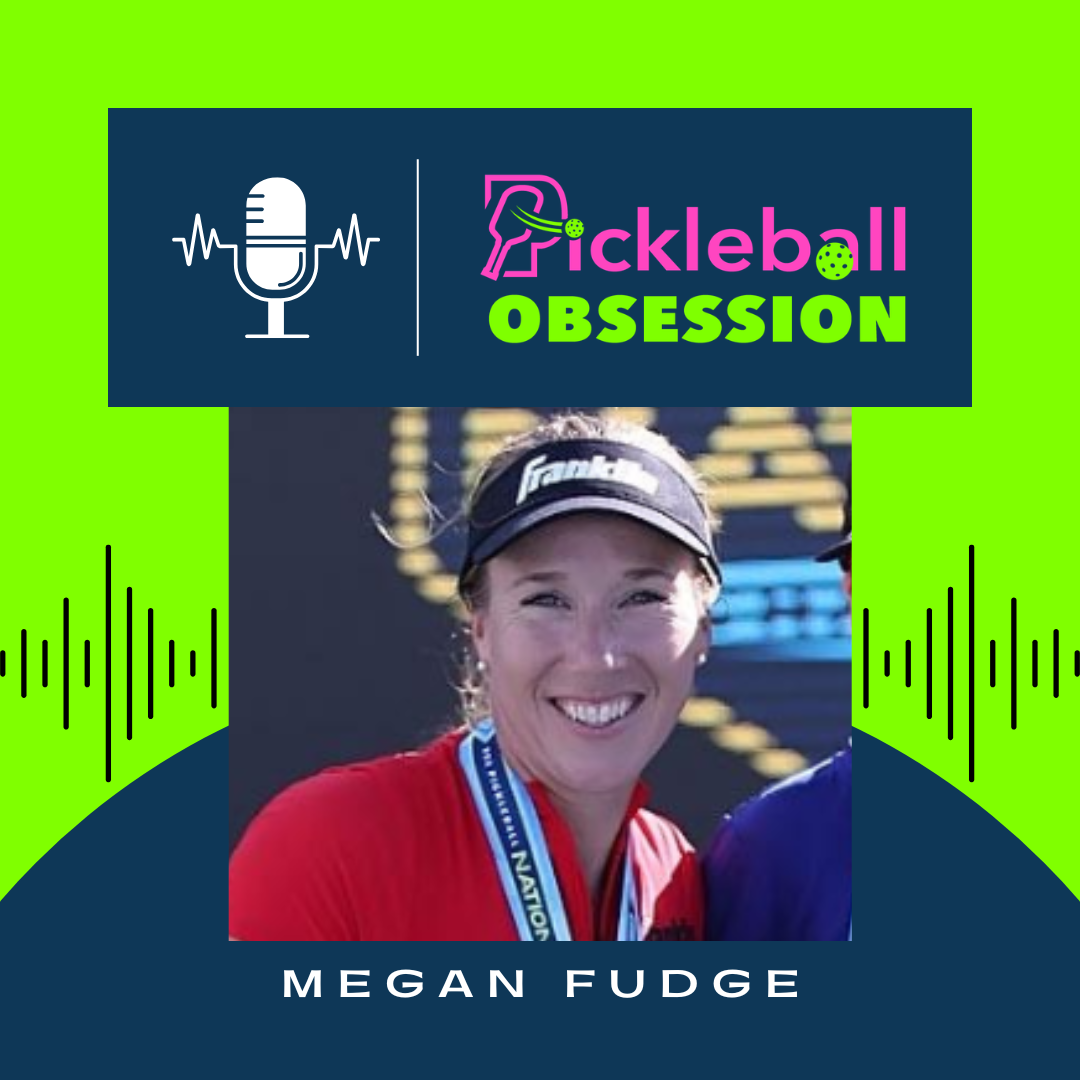
#1028: Why Pickleball is Great for Kids (with Pro Celebrity Megan Fudge)
Wondering whether your kids or grandkids should be encouraged to play pickleball? Megan Fudge is the APP tour's all-time total career medals leader by any player (89) and is married to pro player Ryler DeHeart, with whom she traveled the circuit in an RV so their two kids, Lily and JR, could be with them off and on the court. They are living proof of her belief that pickleball is a welcoming entry to sports for all children.
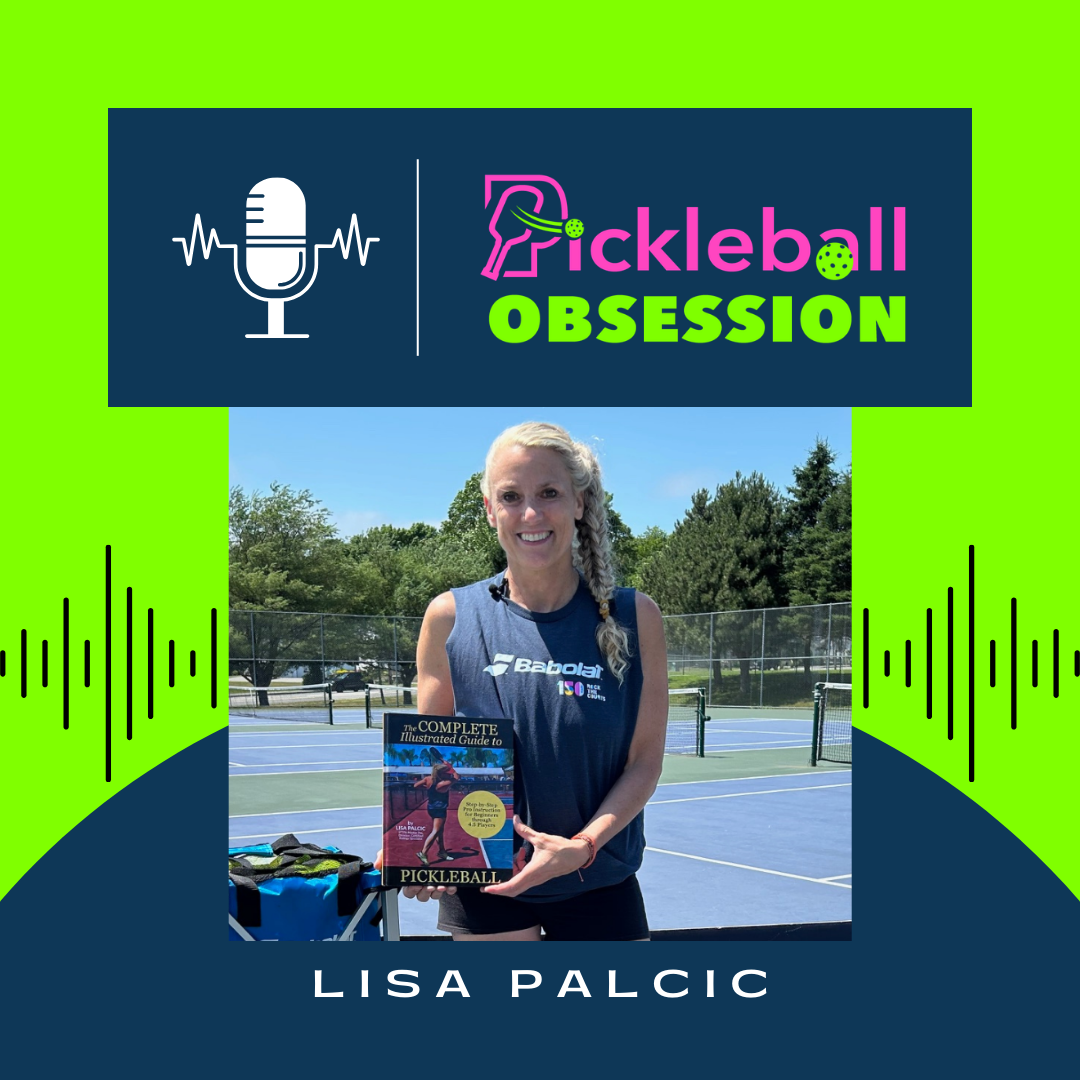
#1027: When, How and Why is Stacking a Good Idea?
Master Pro and former pro competitor Lisa Palcic explains why two right-handed players almost always stack in mixed doubles on the pro circuit (no matter how good the female player is). But when, why and how stacking might make sense for amateurs in rec play or tournaments is another story.
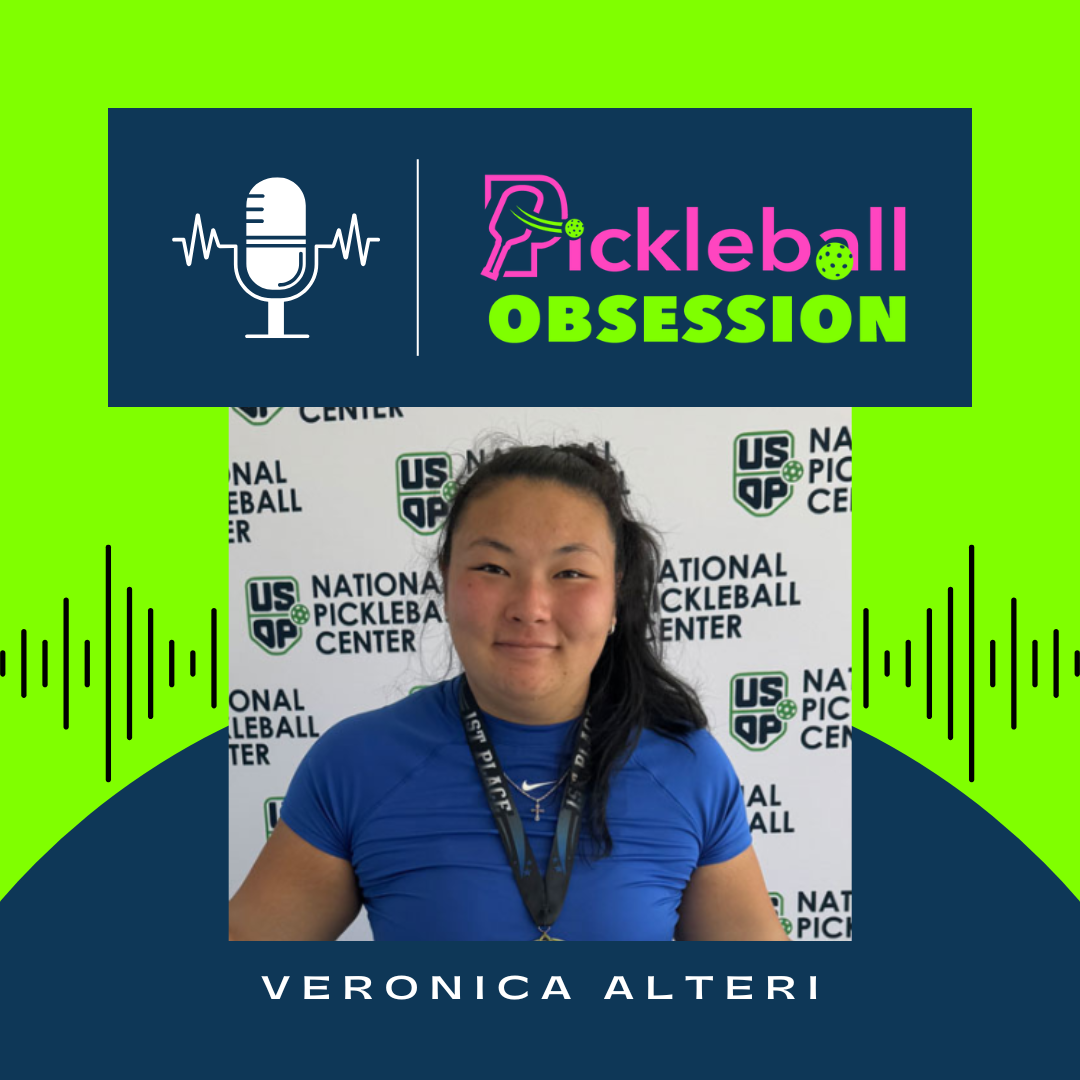
#1026: Are You a Tournament Virgin?
Coach Veronica Alteri just started playing pro pickleball herself, but she remembers the mental challenges of the first time she played in a tournament. She and Tracie talk about the thrills and chills of playing competitively and how to deal with the way things change (for you and for your partner) when the score actually counts.

#1025: Why Should You Not Target the Weaker Player?
Coach Mindy Yoder says that hitting to the weaker player can make sense if your goal is to win the game, but can also backfire if the stronger player takes over the court and poaches aggressively, ending points quickly. In rec play, you might want to embrace more challenge and have better points by including the stronger player — which can make it a better experience for everyone — especially the stronger player, who is there to play pickleball and will not appreciate being "avoided."
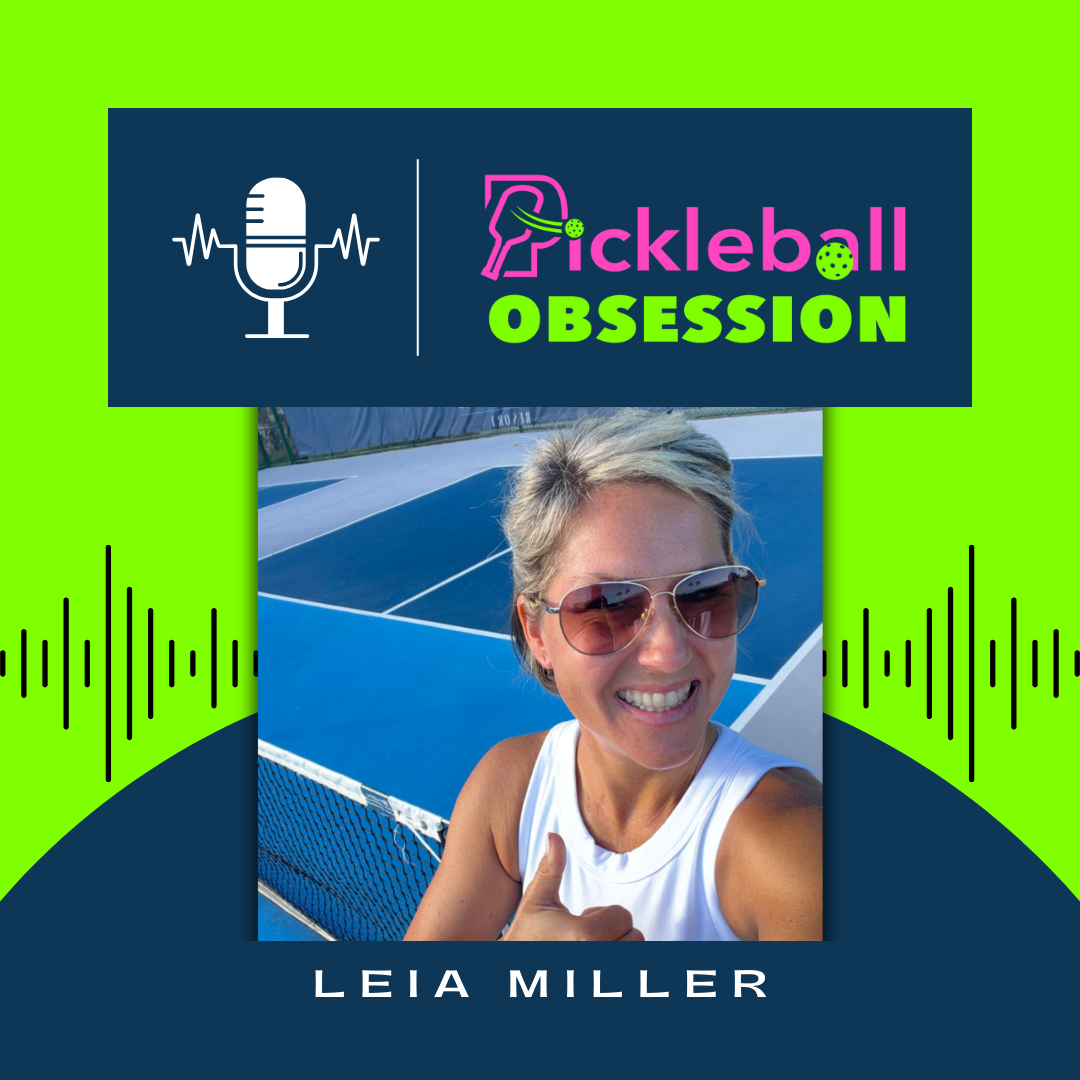
#1024: The Attack of the Body Baggers
Coach Leia Miller talks about whether there is an etiquette or sportsmanship issue about aiming the ball at an opponent's body, since "body bagging" has become a legitimate strategy. In earlier pickleball days, hitting someone with the ball might have necessitated a heartfelt apology. Leia talks about how the sport has become more aggressive so you need to be prepared to defend against players who aim for your body — or heaven forbid, your face!
APPLE SPOTIFY BUZZSPROUT
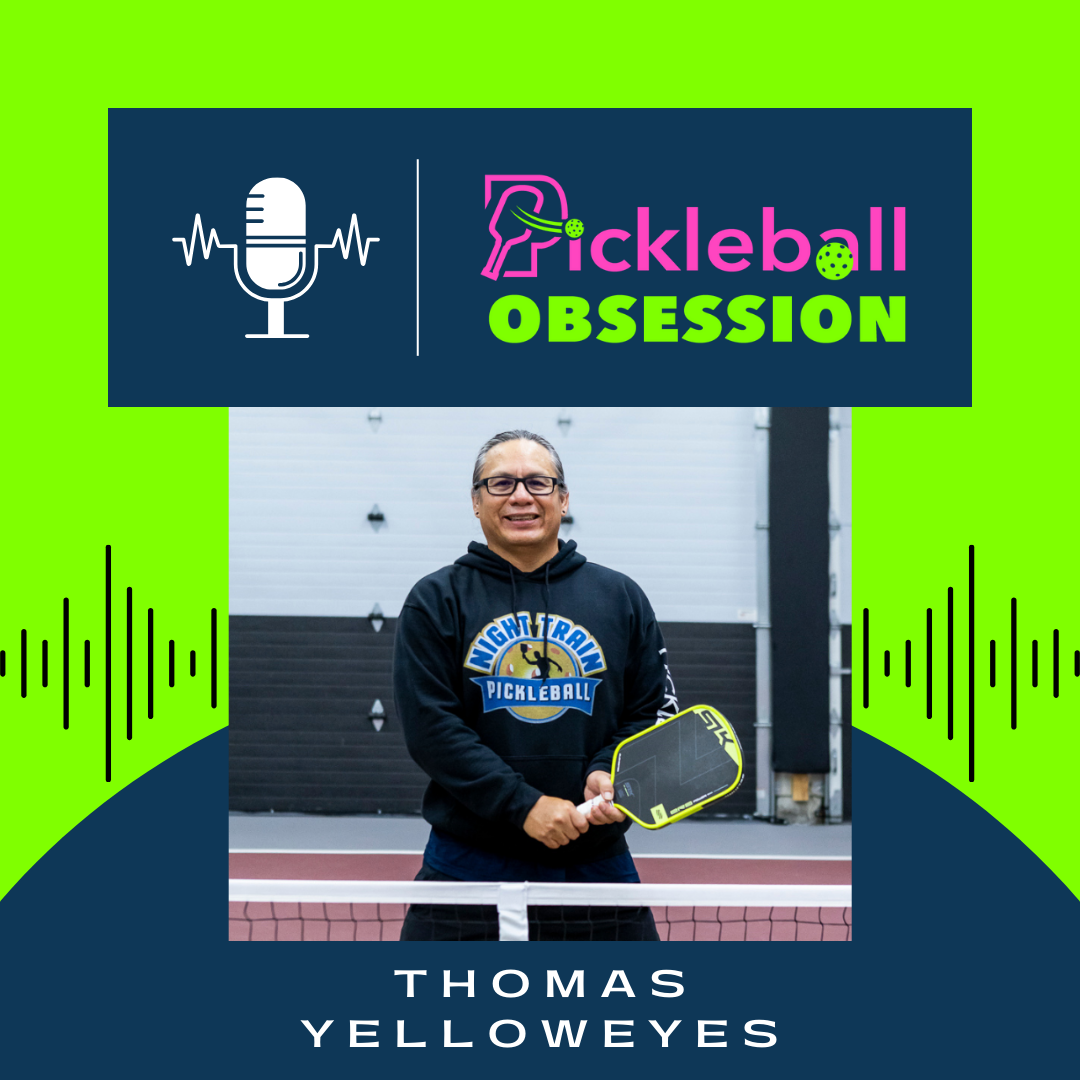
#1023: Quit Hitting Out Balls!
Coach Thomas Yelloweyes in Oregon explains you're giving gifts to your opponents by hitting their balls that are going out. Tracie talks about how frustrating it is to have a partner who goes after every ball, hitting balls that are clearly going out when she thought their opponents had lost the point — but suddenly that out ball is coming right back to her!
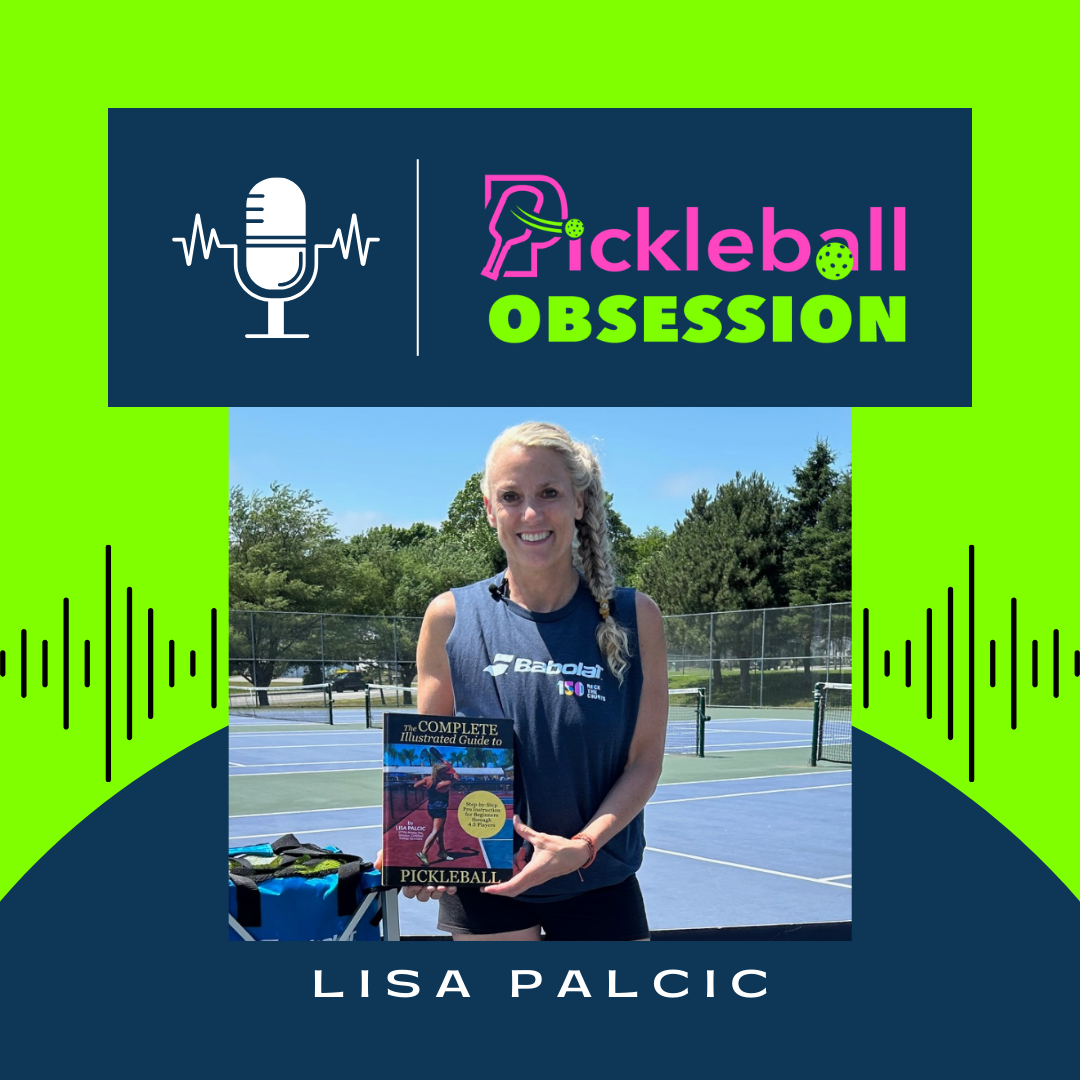
#1022: Bye Bye Backswing
IPTPA Master Pro Lisa Palcic talks about a common flaw even in advanced players, especially in former tennis players, who transition to pickleball and bring their backswing with them. She explains how there should be no "take back" in pickleball except from the baseline. All other shots coming to the kitchen — and once you're there — should start and stay out in front of you. If you can always see the paddle before hitting, you'll have better timing for the shot and recover more quickly for what comes back at you. The backswing just holds you back.
#1021: Take it out of the Air or Let it Bounce?
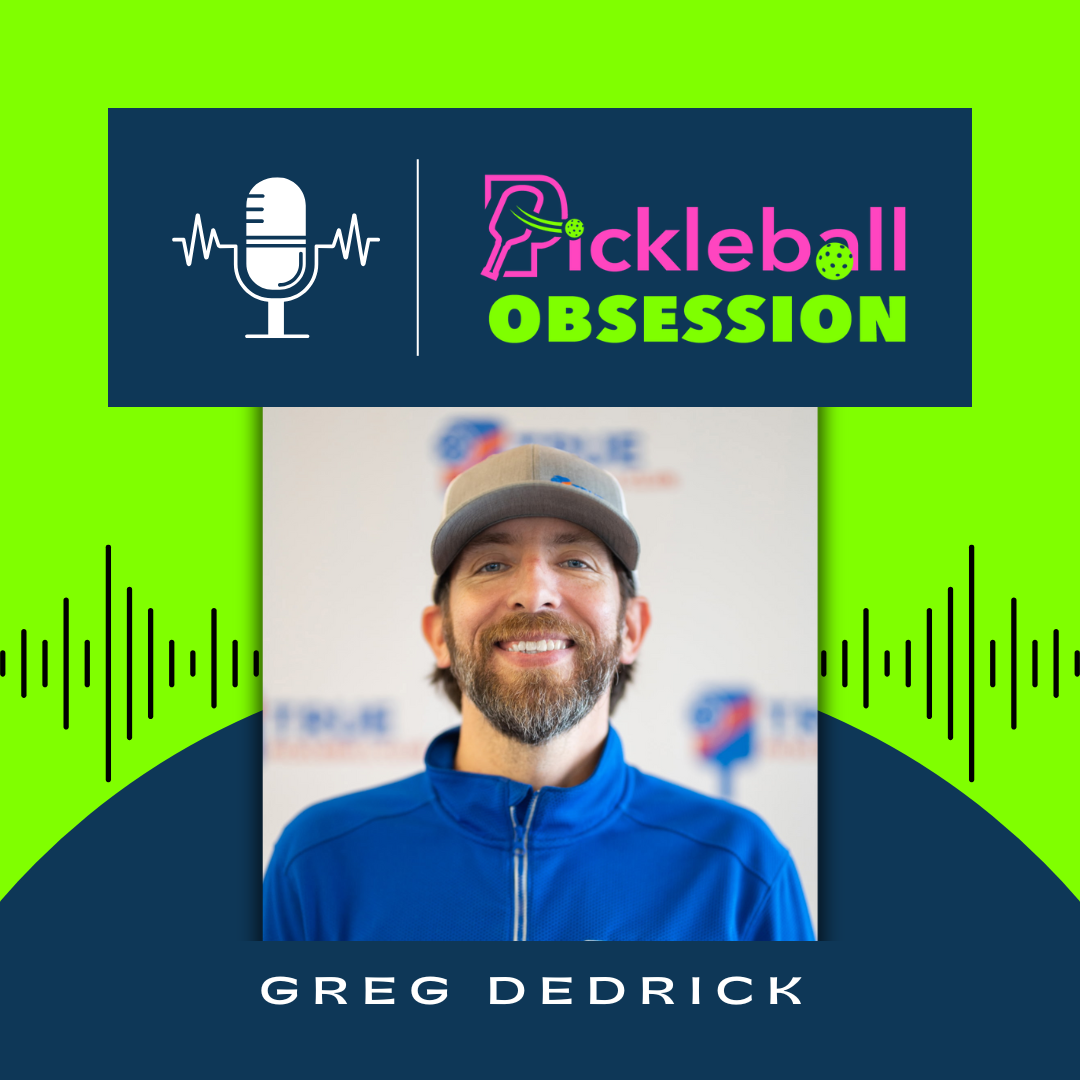
Coach Greg Dedrick, the manager at True Pickleball Club, explains how to make a rapid determination about whether to take a mid-court ball out of the air, or take a step back and let it bounce before hitting it. Attacking a ball sooner gives your opponents less time to react, but if you take it as a volley, you need to be stable and in a good position if they make a fast return.