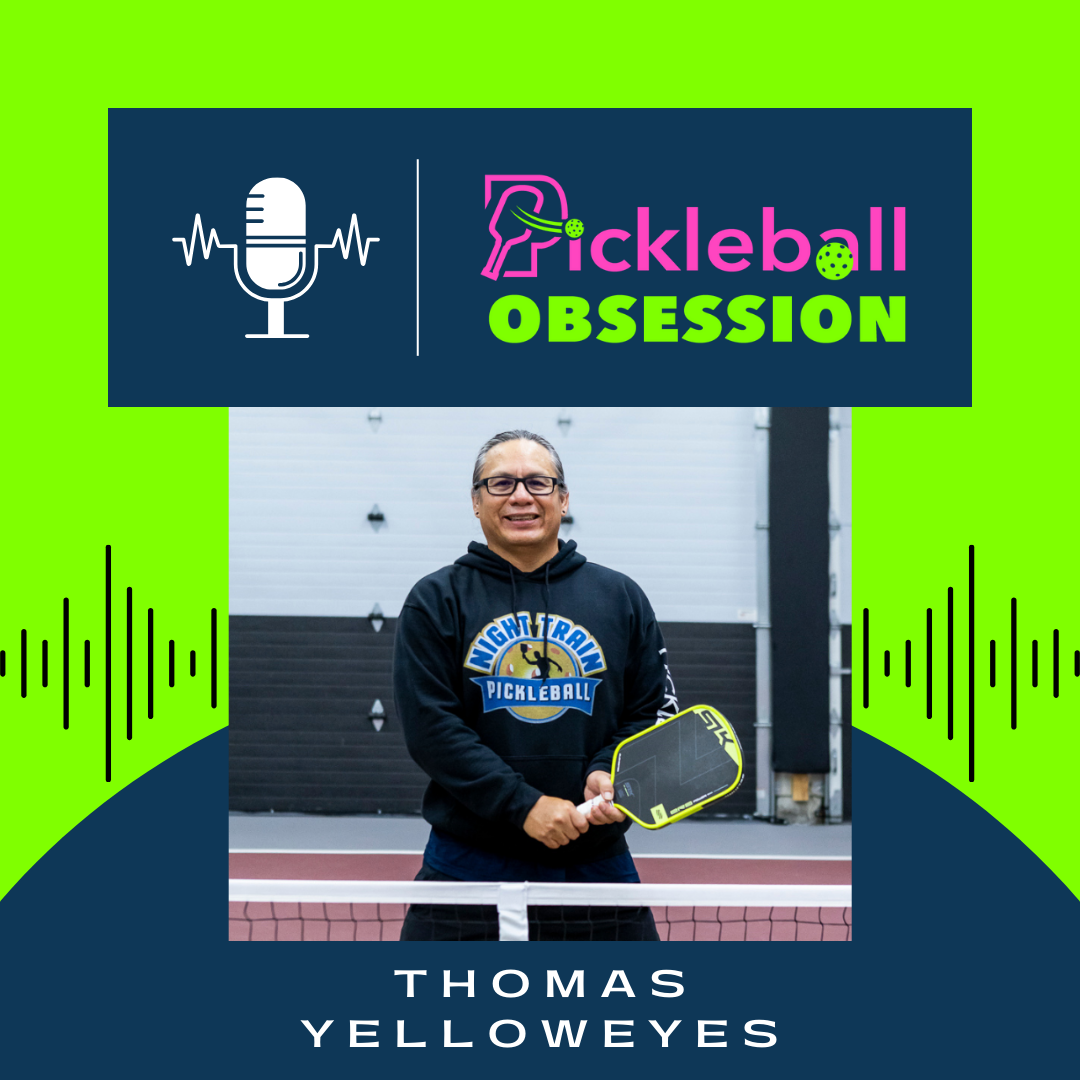
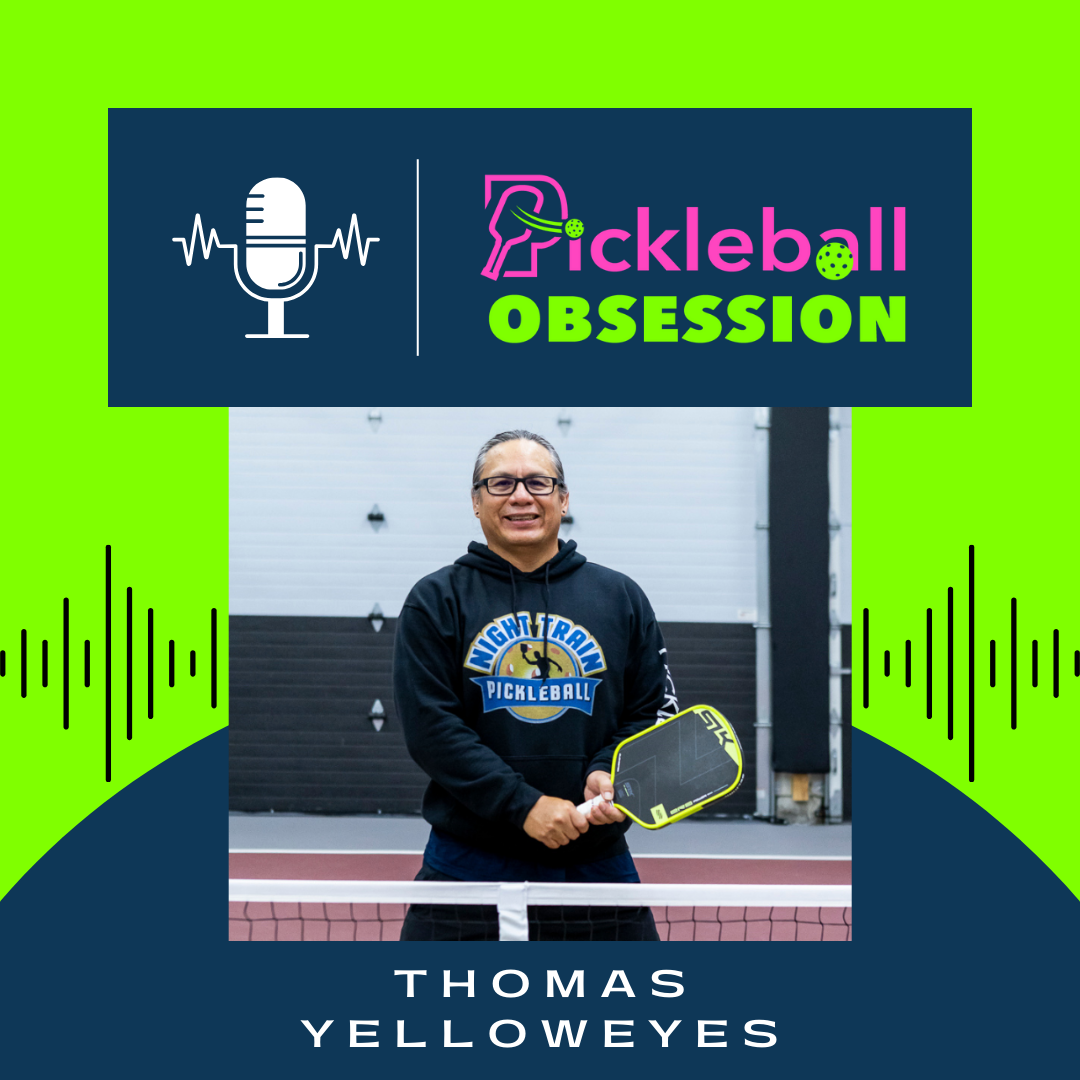
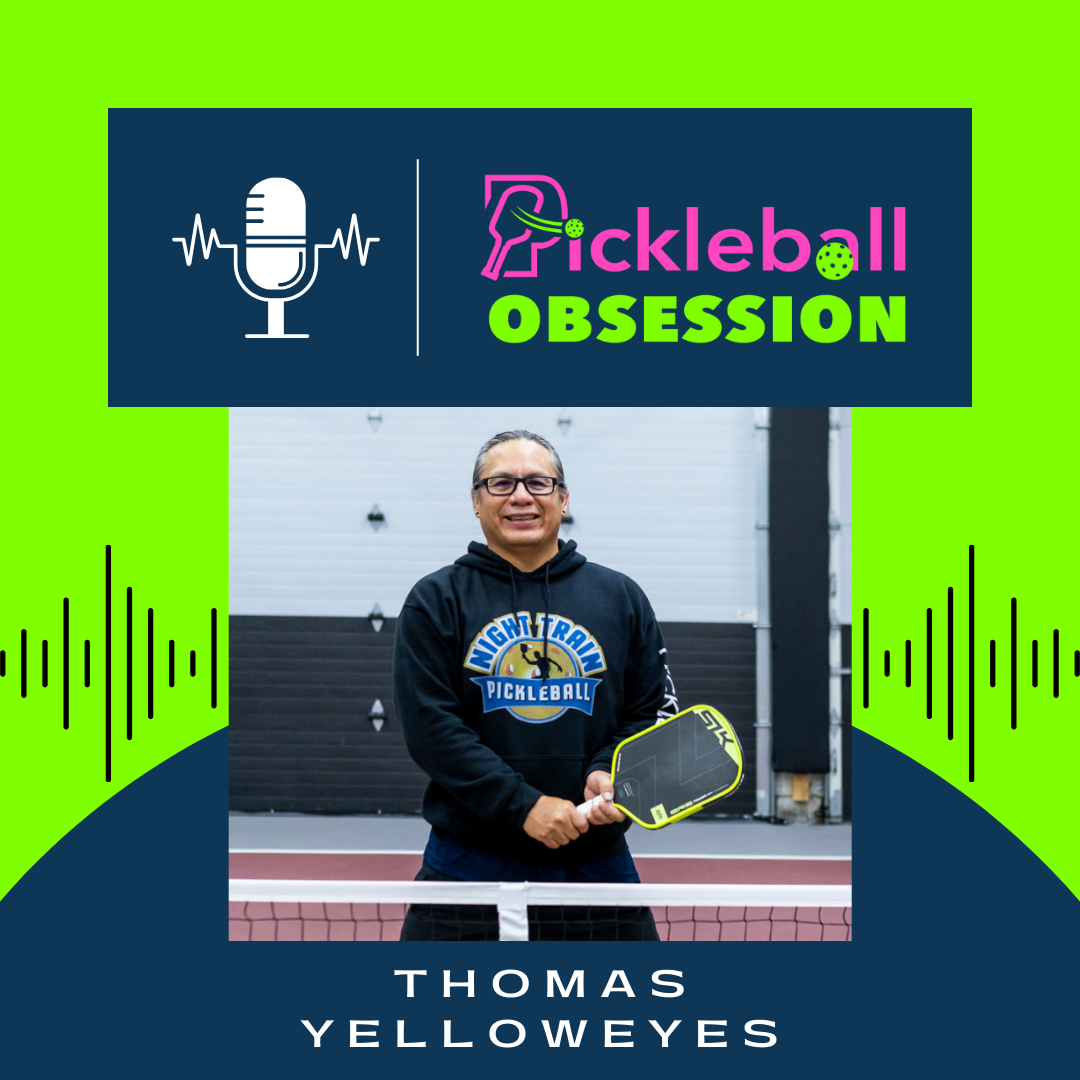
Thomas Yelloweyes (IPTPA and PPR certified) of Night Train Pickleball in Oregon discusses how to decide if you’re ready in your personal PB journey to try a tournament? Admit you want to win — an admission he explains is tough for many people, but without declaring it there's no point competing.
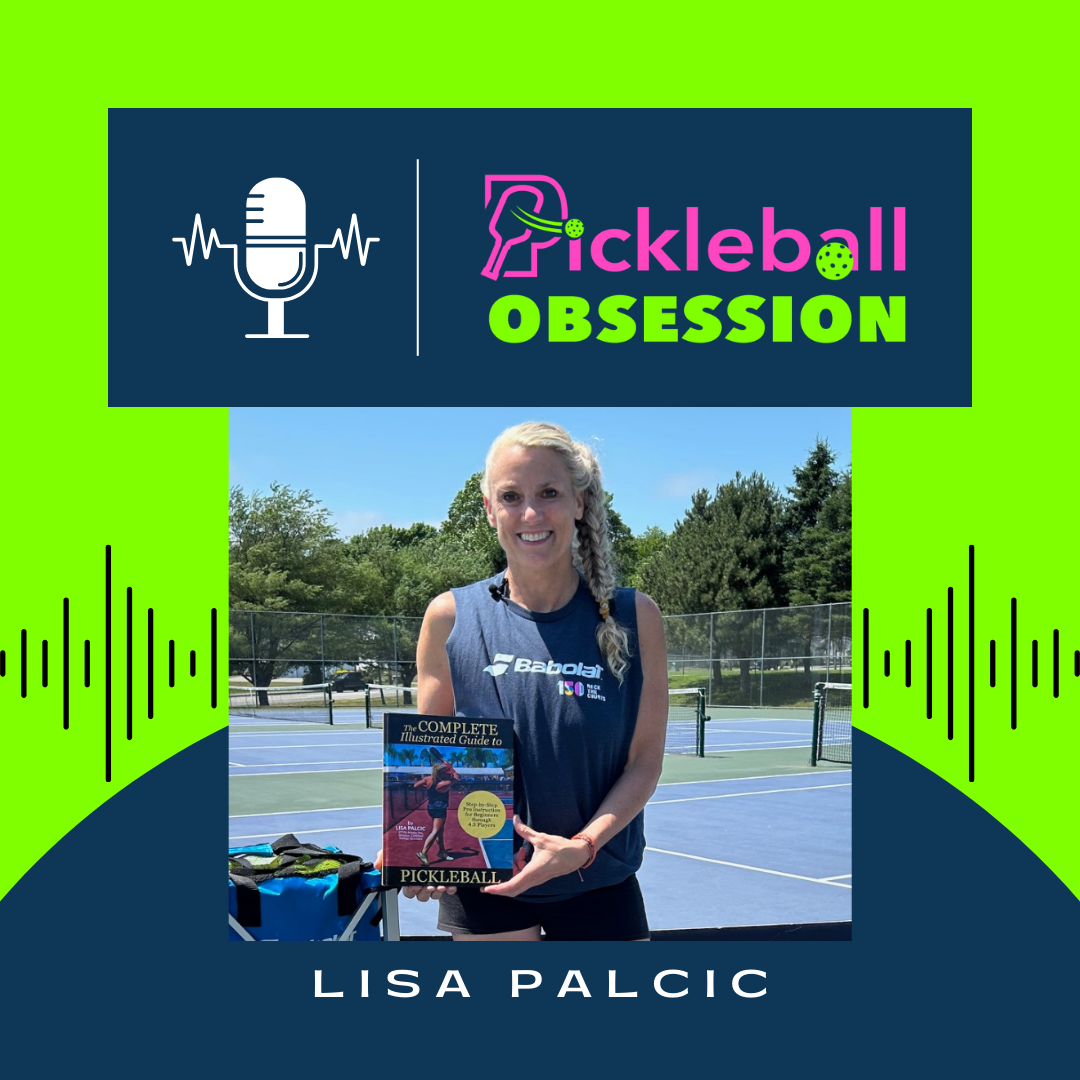
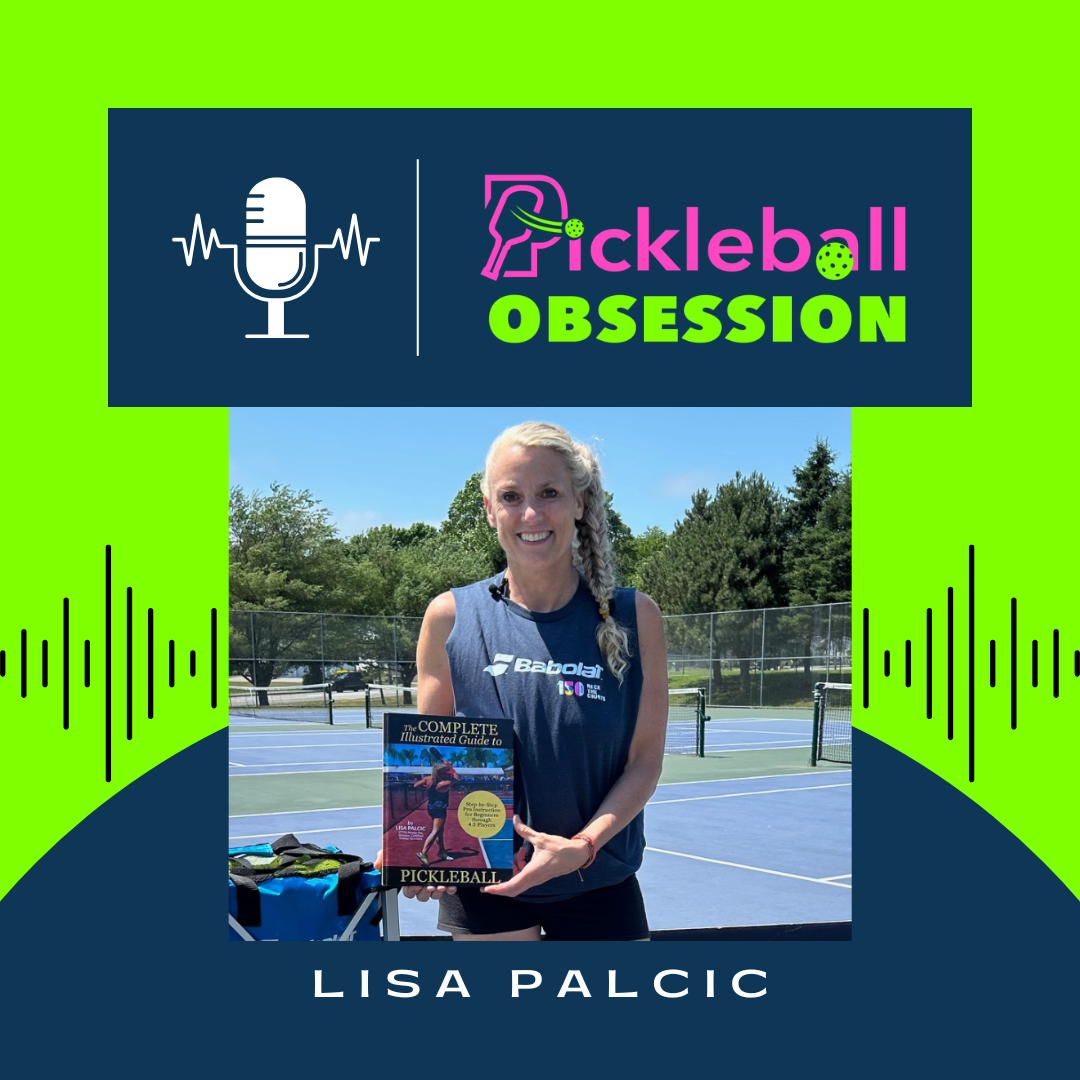
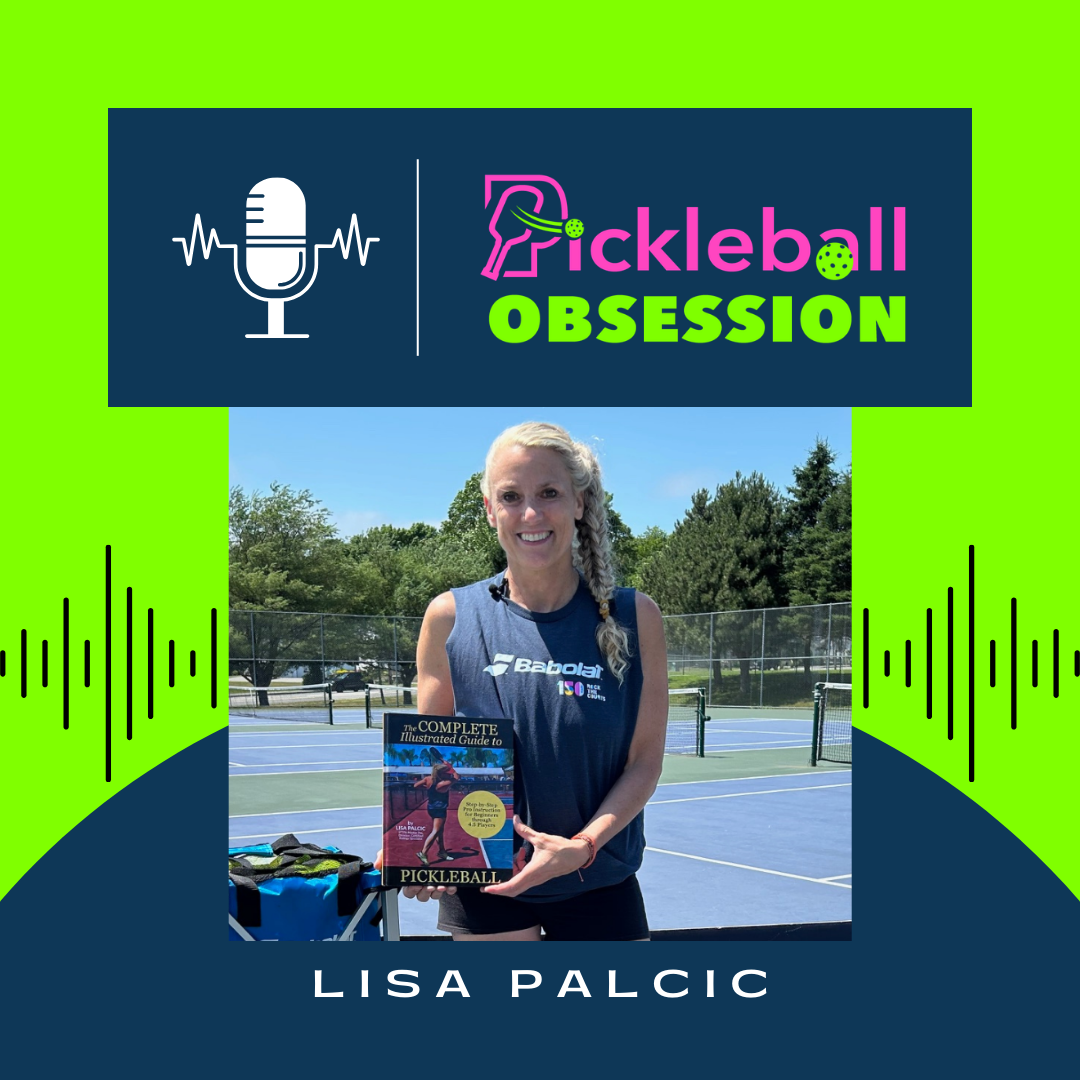
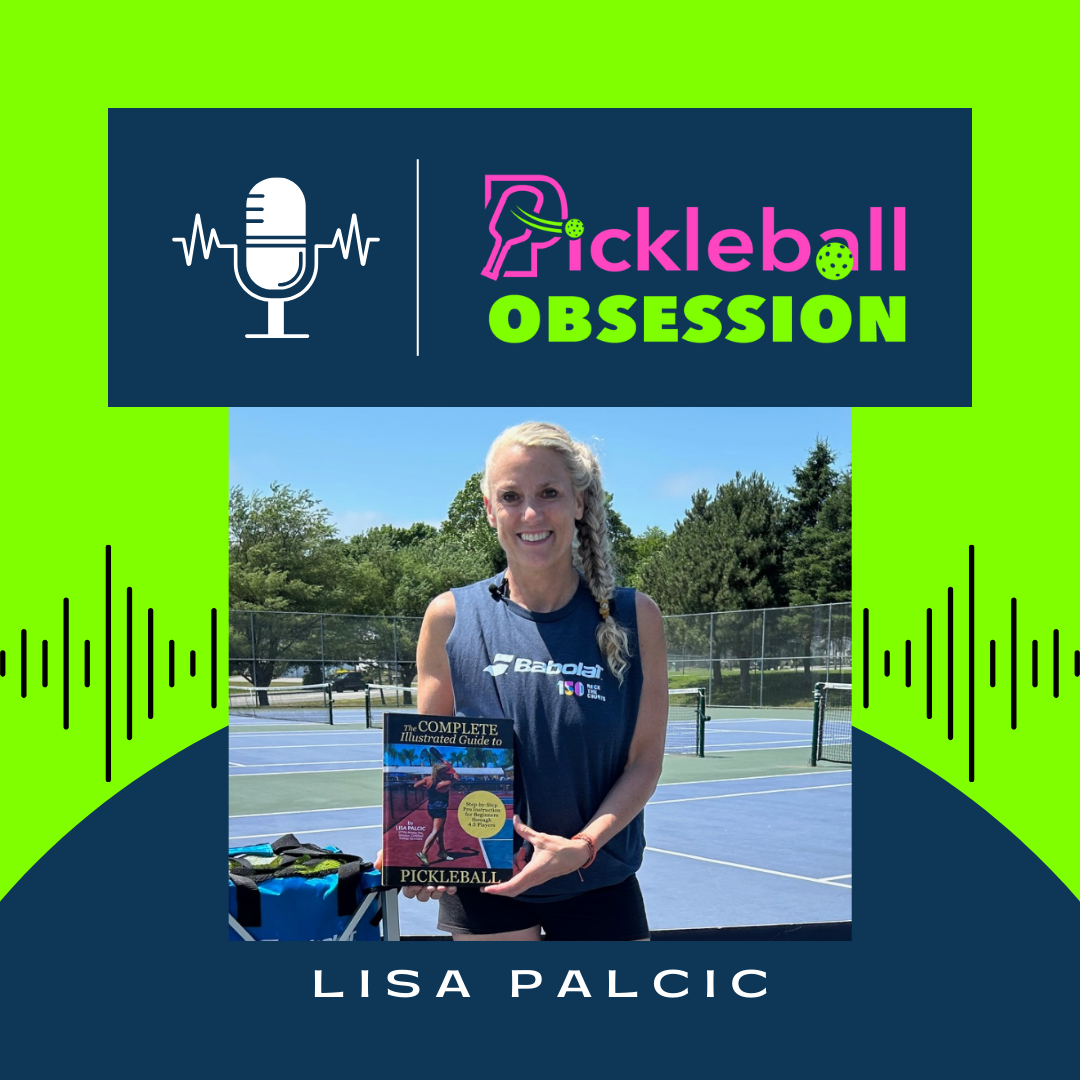
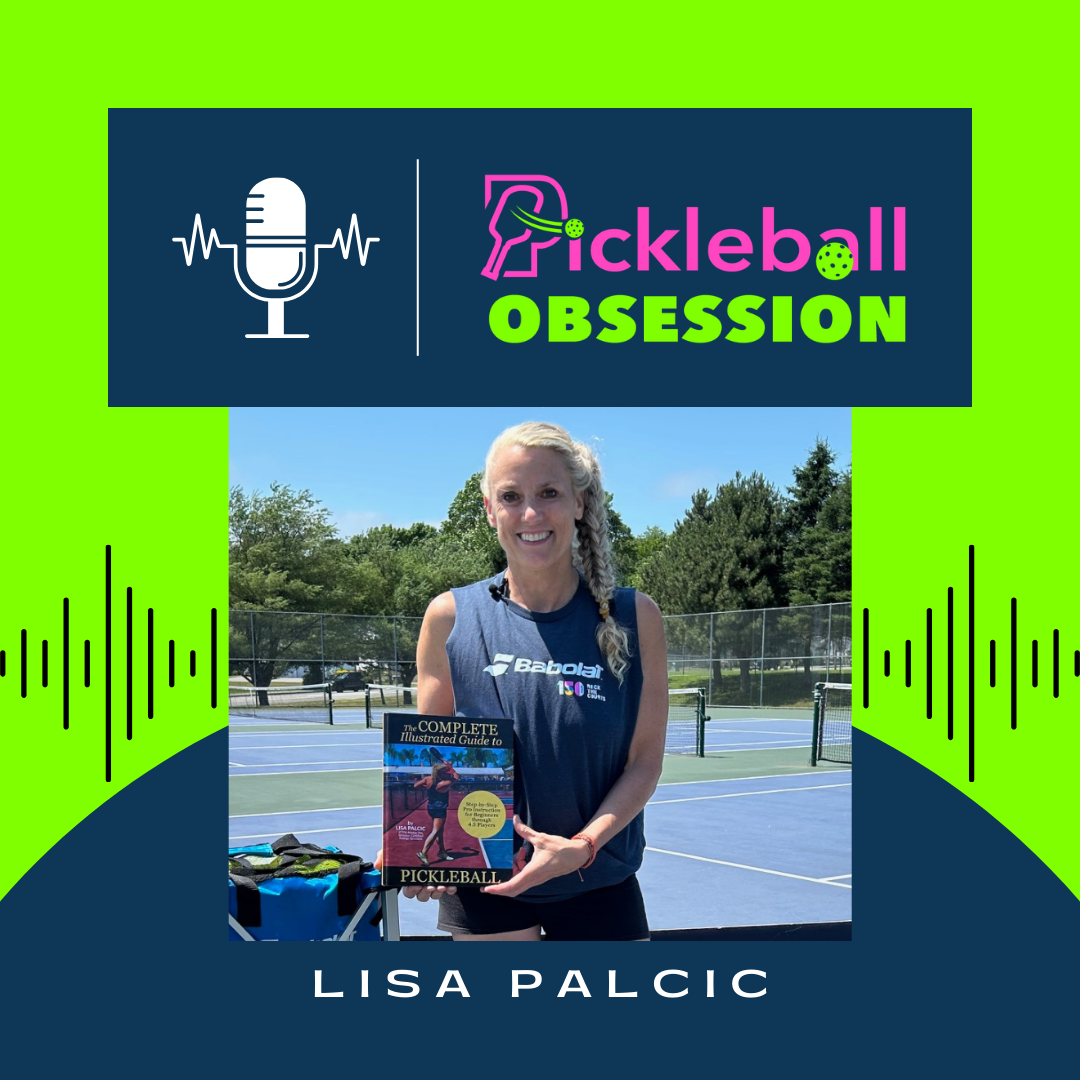
IPTPA Master Coach Lisa Palcic explains that as you get better, your strategy at the kitchen needs to change. The NVZ is not just a place to practice your dinks, it's where you set up winning shots for yourself and your partner. Different strokes for different folks: depending on whether you're a low intermediate player, high intermediate or an advanced pickler, your thought process at the kitchen needs to evolve, too.
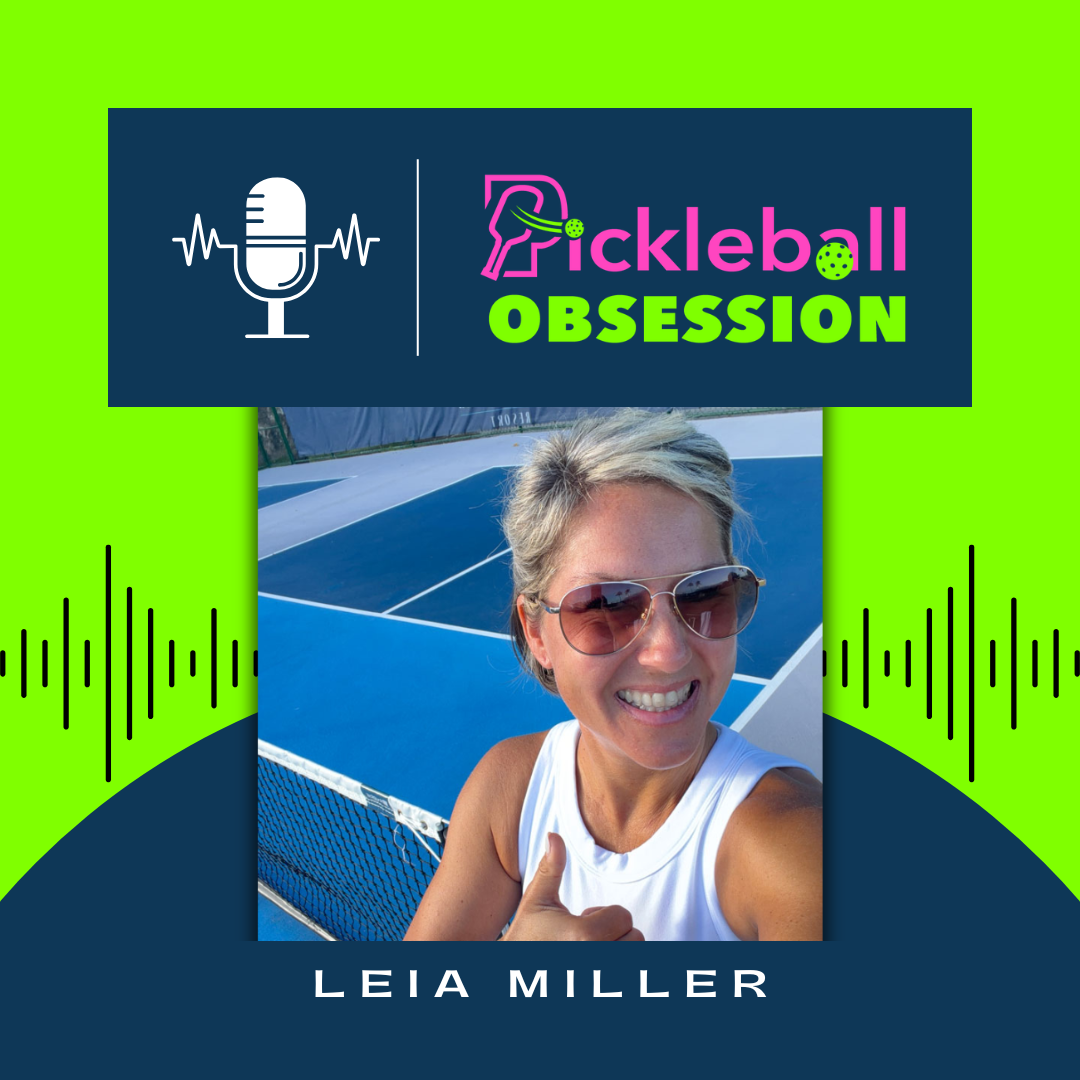
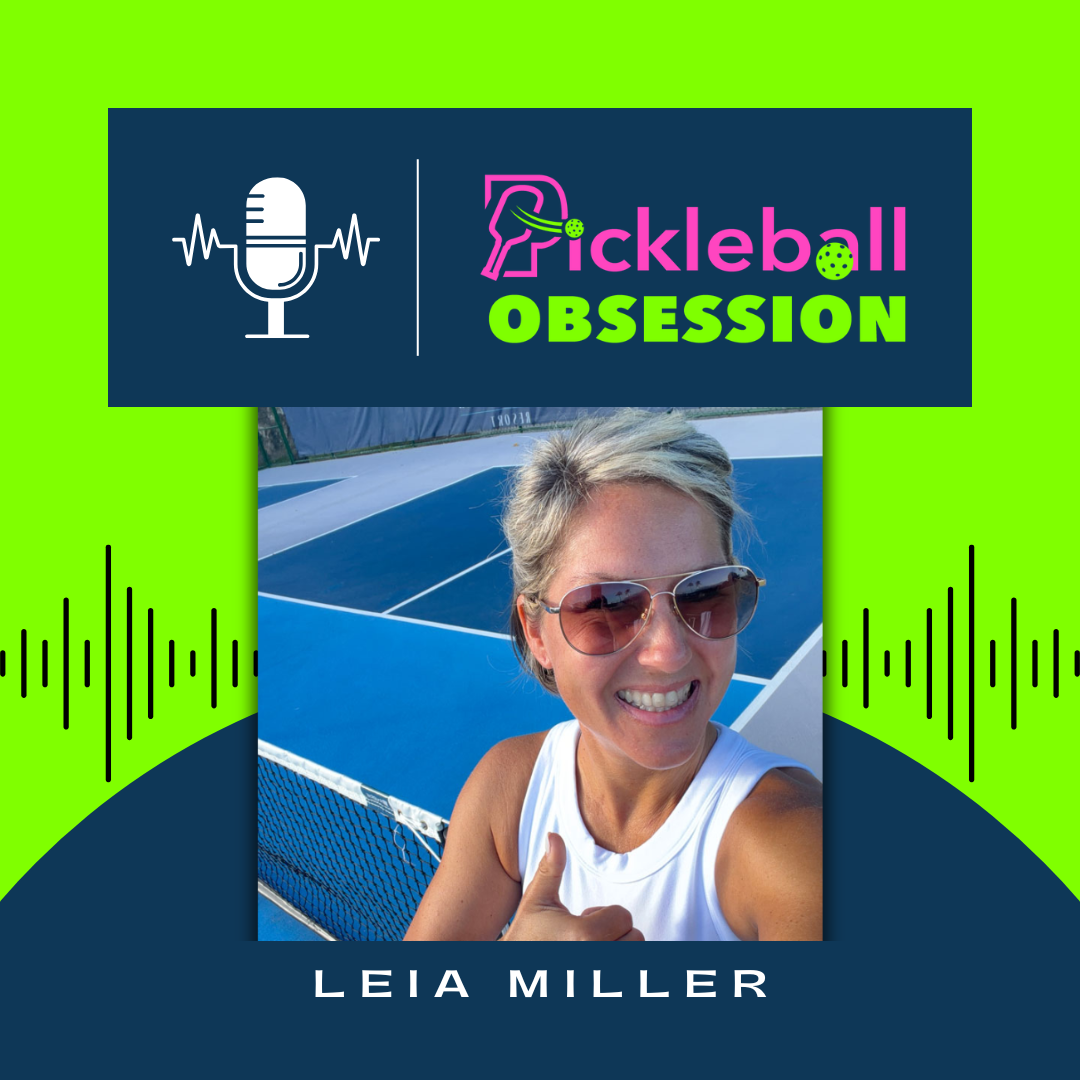
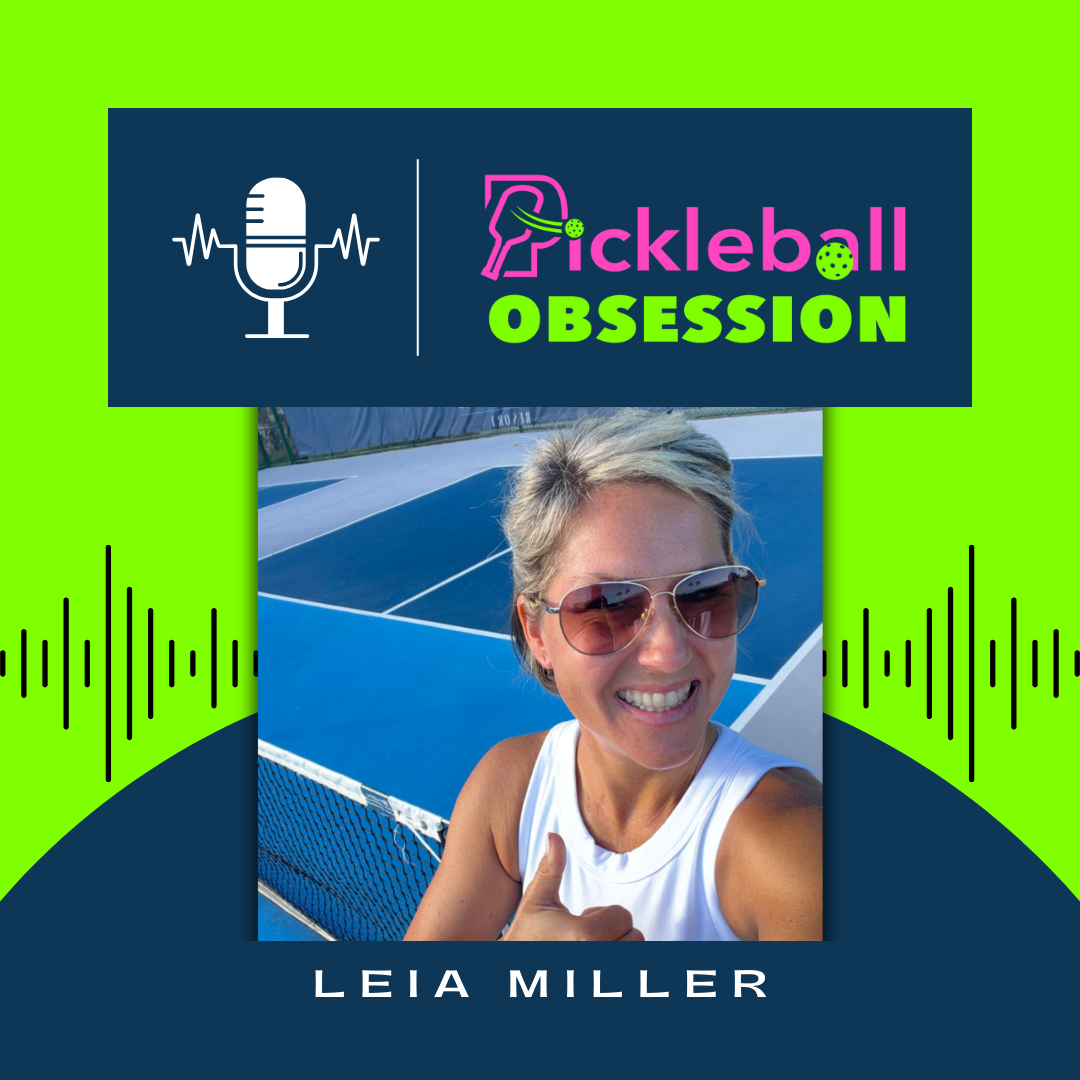
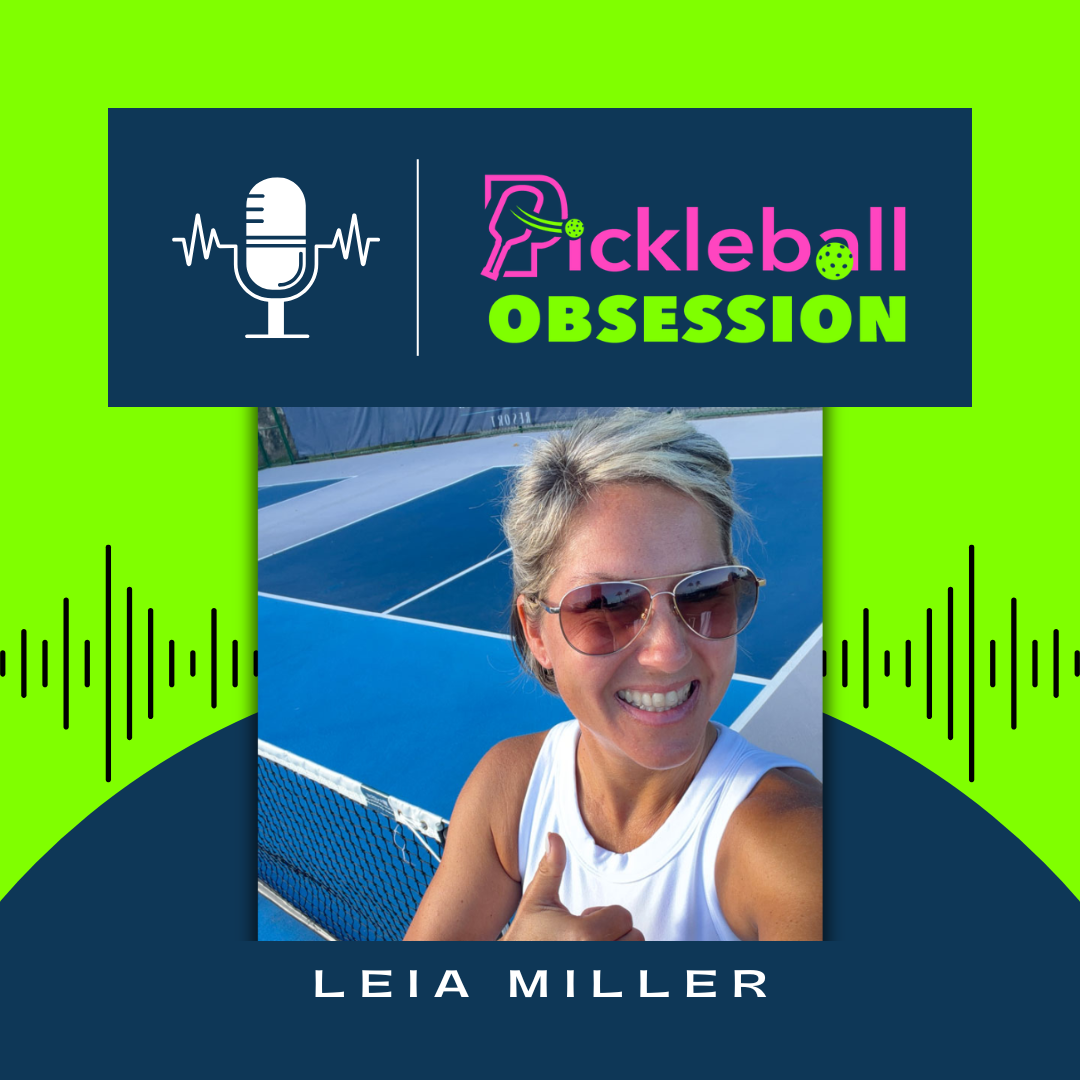
Coach Leia Miller talks about how frustrating lobs can be and while they are rarely seen on the pro circuit, they can be a common weapon on the amateur court. She offers suggestions on how to keep them from rattling your cage, and even turn them against the lobber.
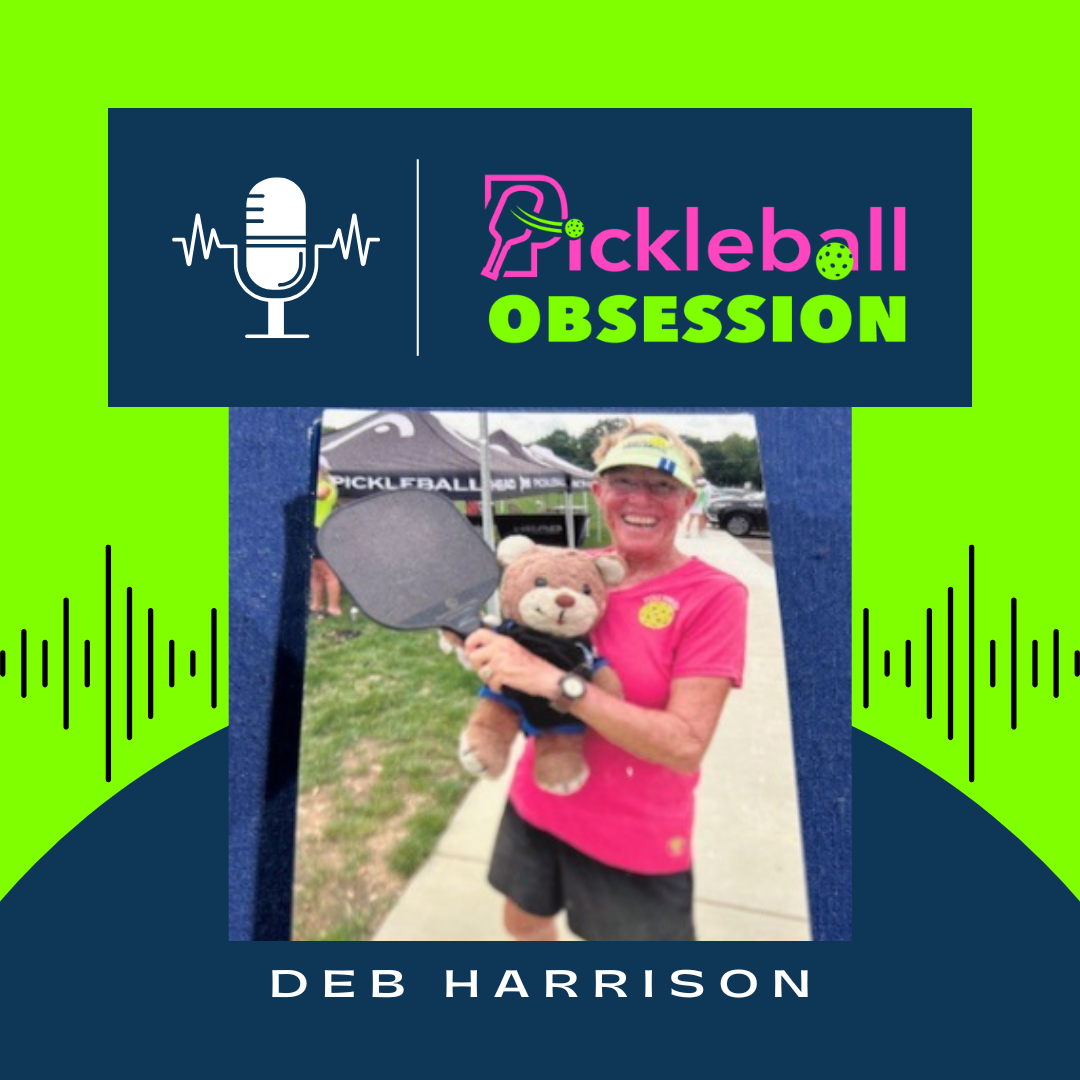
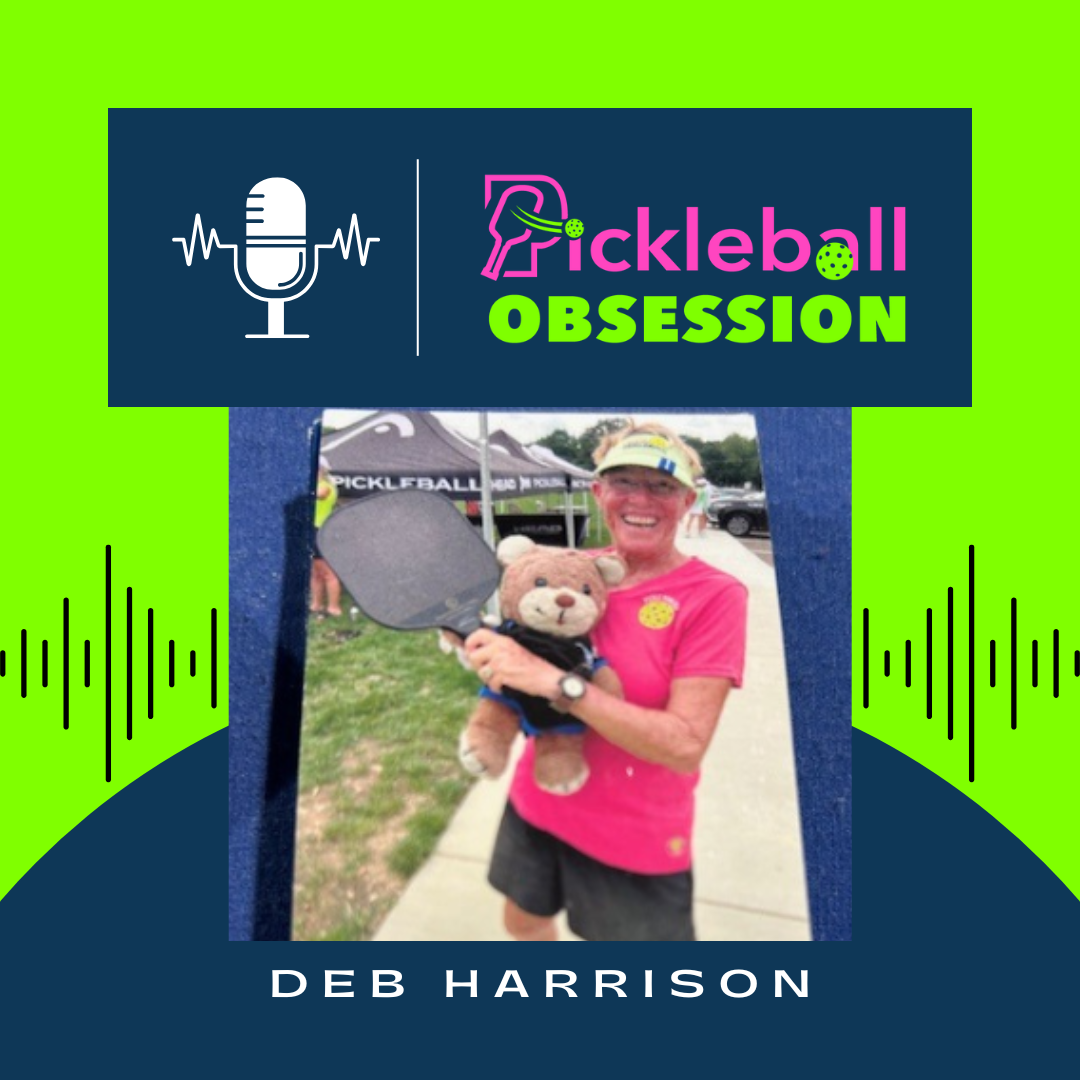
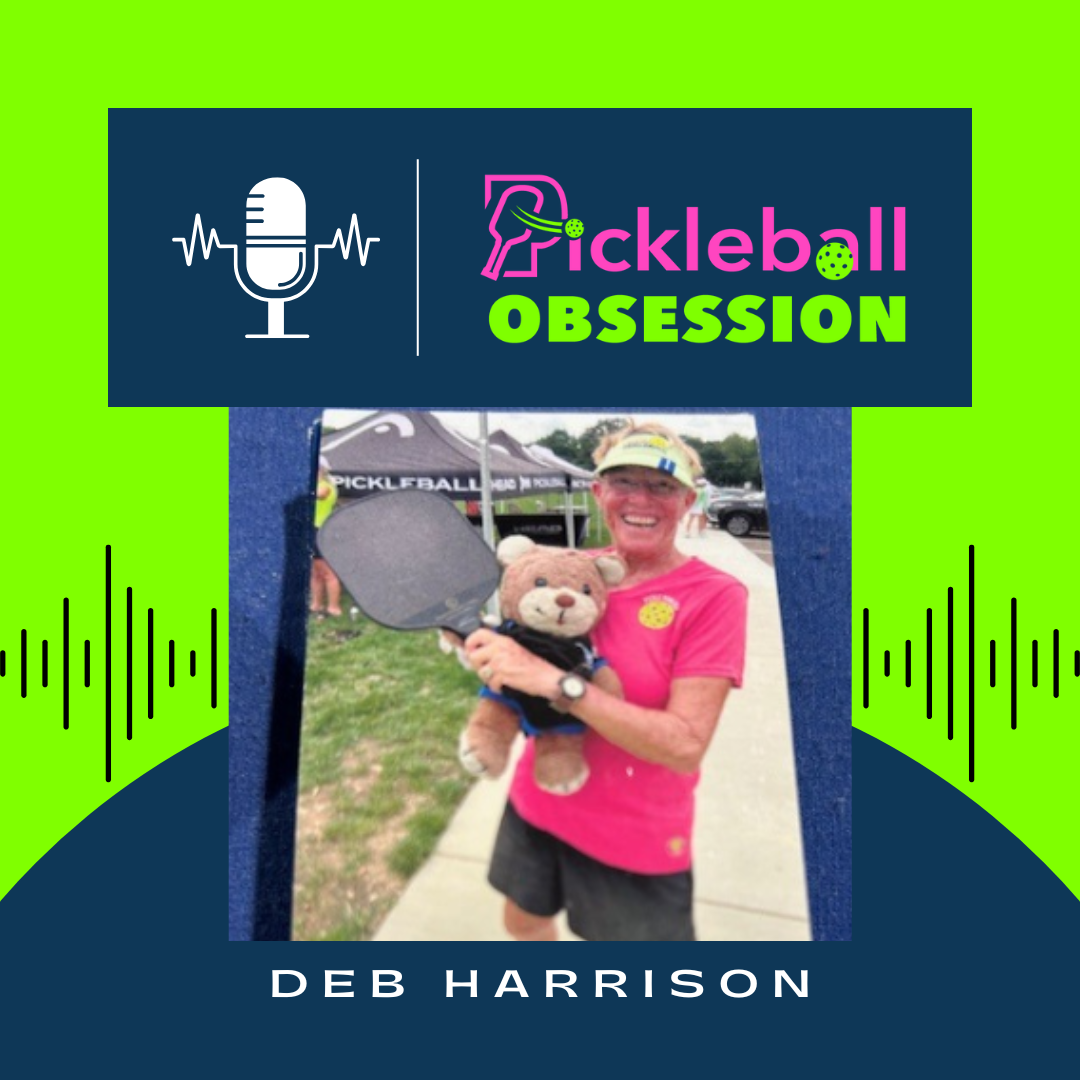
The beauty of PB is that it's played by a wide variety of ages. Coach Deb Harrison, who wins tournaments as a Super Senior, says age does matter... but maybe not in the way people assume. People say younger players have an advantage (leg speed, stamina) but seniors have their own advantage of PB I.Q.: anticipation of being ready for where/how the ball will come back to them.
Coach Leia Miller describes the shot after your serve is returned to you as difficult because you need patience, timing and finesse — without muscling the ball. The "unattackable” 3rd shot drop is how the serving team gets up to the kitchen without being nailed en route by the receiving team!
Coach Thomas Yelloweyes of Nightrain Pickleball in Wilsonville, Oregon says the most important thing about the serve is not to dazzle (hoping ESPN is coming out to shoot a highlight reel of your killer serve!). Forget spin, slice and miles-per-hour — the serve needs to be three things: consistent, deep — it has to go in every time!
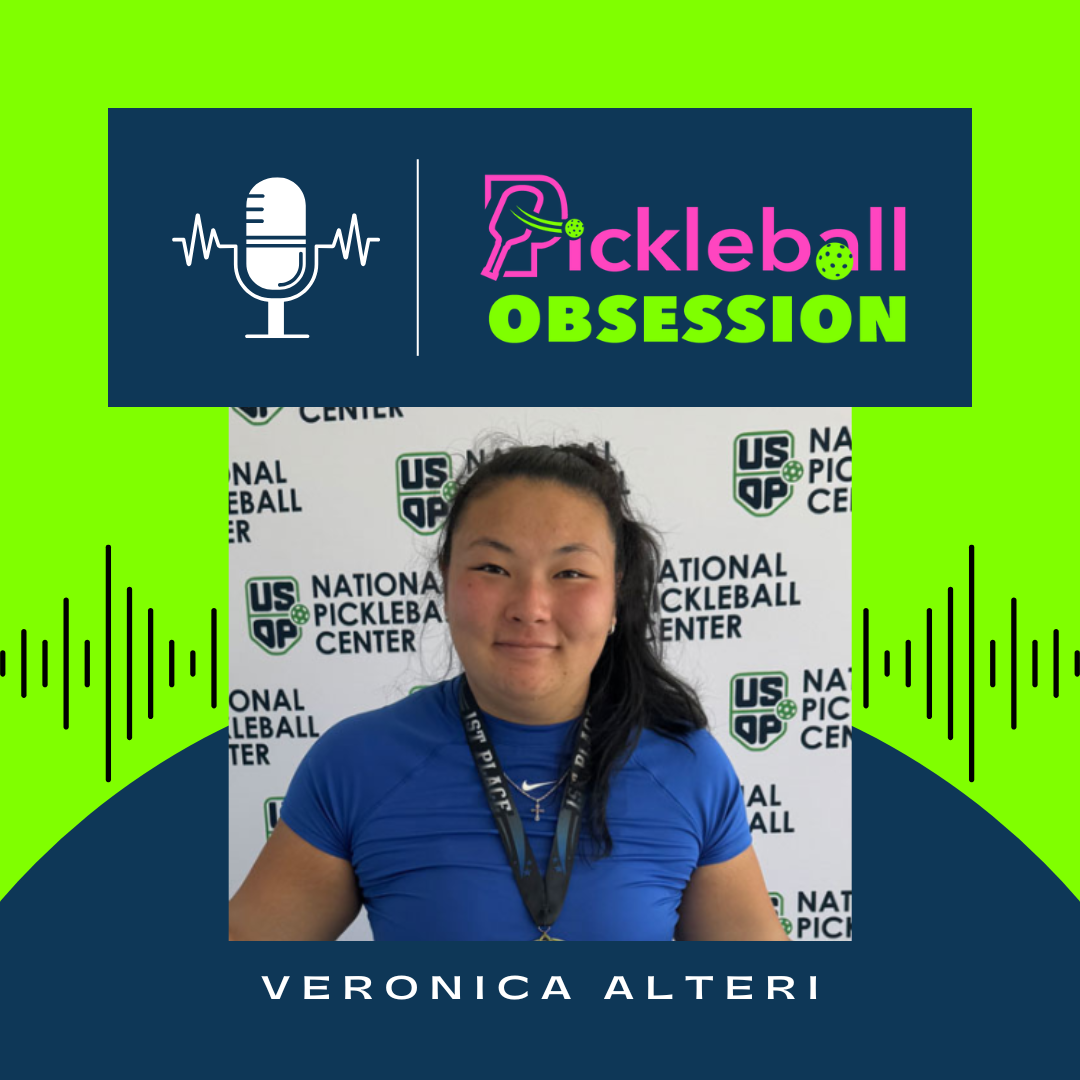
Coach Veronica Alteri has a potent two-handed backhand — watching her and the pros who use two hands on the paddle from the backhand side makes it look really intriguing. Veronica talks about what you gain and what you give up using a two-handed grip — and when you need to revert to a one-hander.
Coach Mindy Yoder points out the ways that we can undermine ourselves on the court (name calling ourselves lazy, stupid) and suck the fun out of the game. If you’re being harsh to yourself, Mindy talks about how to interrupt and change that thought process. Is there anything you can do when a partner is being unkind to him/herself since it affects you.
This is an often-used but greatly misunderstood saying about which player takes the ball, depending on the angle at which it crosses the net. Coach Deb Harrison thinks beginners and intermediates may have never heard the phrase, whereas more advanced players think they know what it means...but there's a good chance they don't! Coach Deb calls the middle of the court between the partners "Divorce Court" because players miss the ball but blame each other because they aren't clear whose ball it is.
Coach Leia Miller talks about common smirking reaction to making a point off a net cord hit — "Sorry... not sorry" and asks whether its funny — or rudely snarky? Other pickleball etiquette issues are responding to partners' errors with eye rolls and a "resting bitch face" instead of smiling and being encouraging for the next shot. Or guys who lose their cool about their own errors by swearing, smacking their paddle on their thigh, or slamming it on the net — without considering the negative affect it has on everyone else on the court — or even adjacent courts!
APPLE SPOTIFY BUZZSPROUT
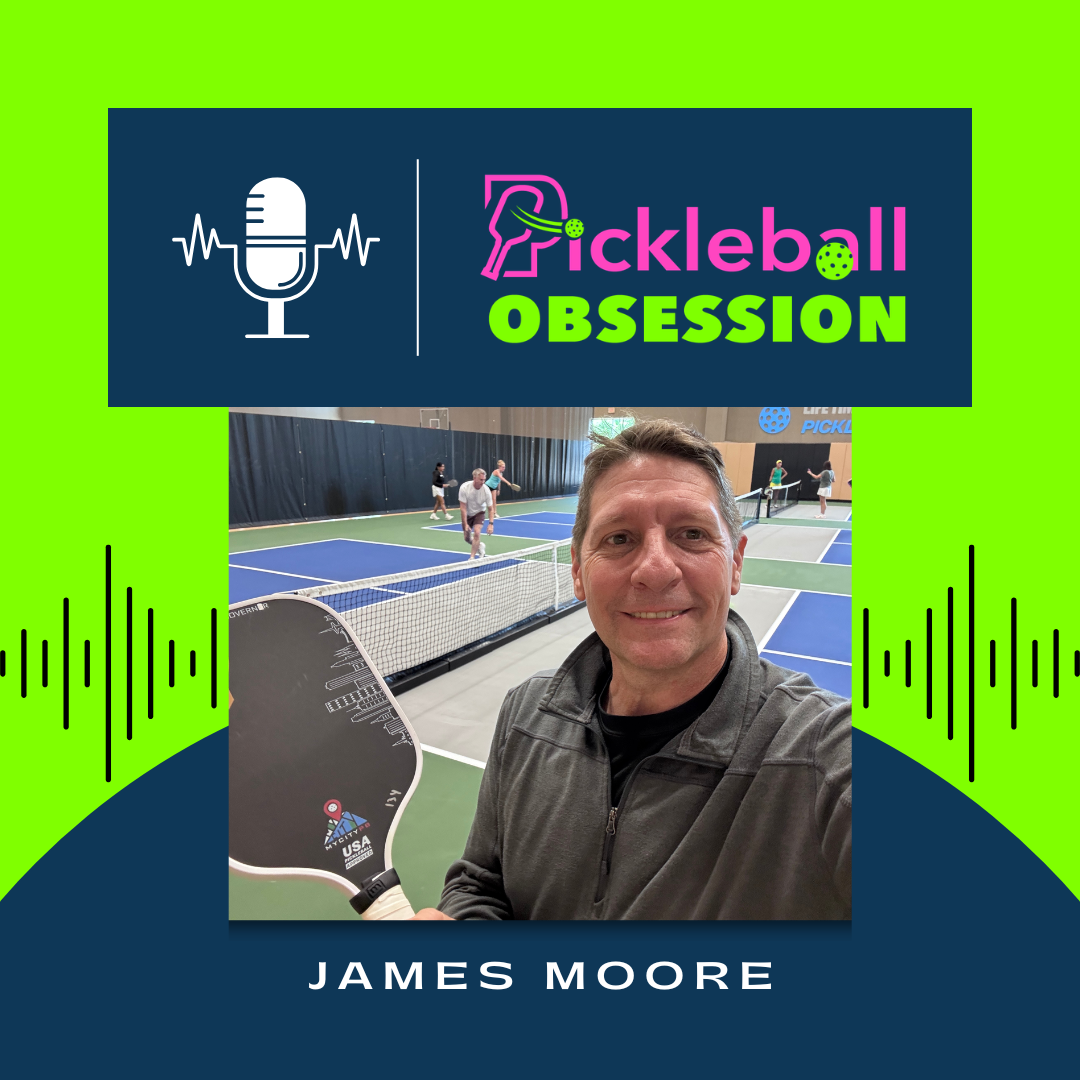
When opponents miss a shot between them and people say "Down the middle solves the riddle," Coach Greg Dedrick says it's nonsensical! There should be no riddle at all if partners understand which one of them should logically take that mid-court shot (hint: it's not necessarily the player whose forehand it is!).
APPLE SPOTIFY BUZZSPROUT
Coach Veronica Alteri gives tips on how to speed up your reaction time with your paddle — because some people have naturally fast hands but anybody with the intention can get faster with their paddle.
APPLE SPOTIFY BUZZSPROUT
Coach Greg Dedrick talks about how "bangers" has become a dirty word, but with the game itself becoming faster and more powerful, there's a place for hard hitters on the court. However, they won't necessarily win if you follow a few simple suggestions about dealing with their shots.